Effective Indoor Air Quality Solutions for Improving Indoor Air Quality
When it comes to our homes and workplaces, the air we breathe matters a lot. Poor indoor air quality can lead to health problems, discomfort, and even long-term issues like mold growth or radon exposure. I want to share practical, effective ways to improve indoor air quality that anyone can apply. These solutions are especially important for those living or working in Northeast Ohio, where radon and mold are common concerns.
Why Improving Indoor Air Quality Matters
Indoor air quality affects our health and well-being every day. Pollutants like dust, mold spores, radon gas, and volatile organic compounds (VOCs) can build up inside buildings. These contaminants can cause allergies, respiratory problems, headaches, and fatigue. For some, exposure to radon gas is a serious risk because it is a leading cause of lung cancer after smoking.
Improving indoor air quality means creating a safer, cleaner environment. It helps reduce health risks and makes your space more comfortable. Plus, it protects your property from damage caused by mold and moisture.
Practical Steps for Improving Indoor Air Quality
Improving indoor air quality starts with understanding the sources of pollution and taking targeted actions. Here are some effective steps you can take:
1. Control Moisture and Prevent Mold Growth
Mold thrives in damp environments. To keep mold at bay:
Fix leaks in roofs, walls, and plumbing promptly.
Use dehumidifiers in basements and other humid areas.
Ensure proper ventilation in bathrooms and kitchens.
Clean and dry any water-damaged materials within 24-48 hours.
By controlling moisture, you reduce mold spores in the air and prevent structural damage.
2. Test and Mitigate Radon Levels
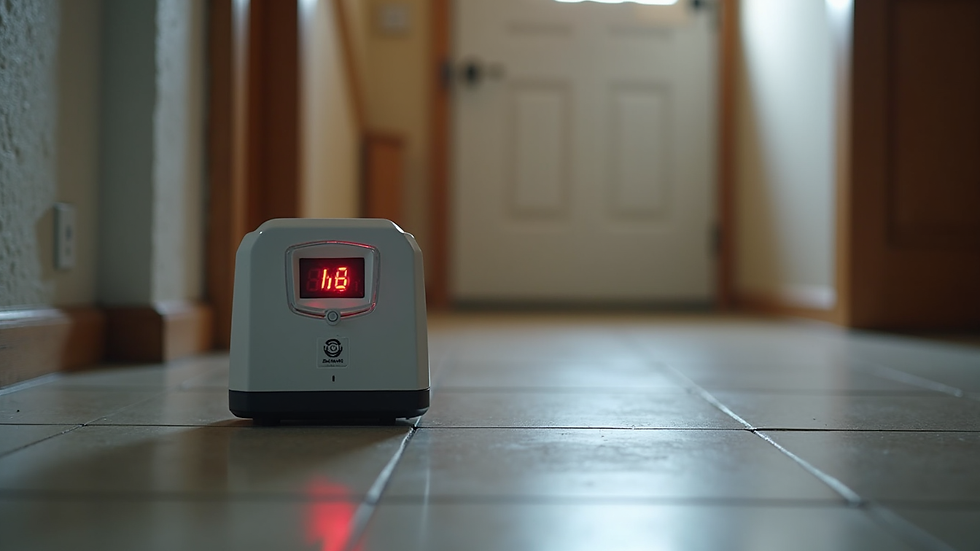
Radon is a naturally occurring radioactive gas that can seep into buildings from the ground. It is odorless and invisible, so testing is the only way to know if you have a problem.
Use a radon test kit or hire a professional to measure radon levels.
If levels are high, install a radon mitigation system to vent the gas outside.
Seal cracks and openings in foundations to reduce radon entry.
Radon mitigation is a critical step for homes and businesses in Northeast Ohio to ensure safe indoor air.

3. Improve Ventilation and Air Circulation
Good ventilation helps remove indoor pollutants and brings in fresh air. Here’s how to improve it:
Open windows and doors when weather permits.
Use exhaust fans in kitchens and bathrooms.
Consider installing an energy recovery ventilator (ERV) or heat recovery ventilator (HRV).
Keep air vents and ducts clean and unobstructed.
Proper ventilation reduces indoor pollutant buildup and improves overall air quality.
Using Air Purifiers and Filters Effectively
Air purifiers and filters are powerful tools for cleaning indoor air. They capture dust, pollen, pet dander, and some airborne chemicals.
Choose air purifiers with HEPA filters for best particle removal.
Replace HVAC filters regularly, ideally every 3 months.
Consider activated carbon filters to reduce odors and VOCs.
Place air purifiers in rooms where you spend the most time.
These devices complement other measures and provide an extra layer of protection.

Maintaining a Healthy Indoor Environment
Beyond specific devices and fixes, maintaining a healthy indoor environment involves daily habits:
Keep your home clean by dusting and vacuuming with a HEPA-filter vacuum.
Avoid smoking indoors.
Use natural or low-VOC cleaning products.
Limit the use of scented candles and air fresheners.
Store chemicals and paints outside or in well-ventilated areas.
These small changes add up to better air quality and a healthier space.
Why Choose Professional Help for Indoor Air Quality?
Sometimes, tackling indoor air quality issues requires expert knowledge and equipment. Professionals can:
Conduct thorough radon and mold testing.
Design and install effective radon mitigation systems.
Perform mold remediation safely and completely.
Provide customized advice based on your building and needs.
If you want peace of mind and guaranteed results, working with a trusted local expert is the best choice.
For those looking for reliable indoor air quality solutions, Northeast Ohio Radon & Mold Solutions offers comprehensive services to protect your home or business. Their expertise ensures your indoor environment is safe, healthy, and comfortable.
Taking Action Today for Better Indoor Air
Improving indoor air quality is not just a one-time fix. It’s an ongoing commitment to your health and comfort. Start by testing for radon and checking for moisture problems. Then, improve ventilation, use air purifiers, and maintain good cleaning habits.
By following these effective indoor air quality solutions, you create a safer space for yourself, your family, or your employees. Remember, clean air is essential for a happy, healthy life.
Take the first step today and breathe easier tomorrow.


Comments