Breaking Down the Cost of Radon Mitigation
Radon is a silent threat lurking in many homes and businesses, especially in areas like Northeast Ohio. It’s an invisible, odorless gas that can cause serious health problems if left unchecked. If you’ve recently tested your property and found elevated radon levels, you’re probably wondering about the cost of fixing the problem. Understanding the cost of radon mitigation is essential to making informed decisions that protect your indoor environment and your peace of mind.
Let’s break down what influences radon removal expenses, what you can expect to pay, and how to approach this important home safety investment.
Understanding the Cost of Radon Mitigation
Radon mitigation involves installing systems that reduce radon gas levels inside buildings. The cost of radon mitigation varies depending on several factors, including the size and design of your property, the radon levels detected, and the type of mitigation system required.
Here are some key elements that affect the cost:
Property Size and Layout: Larger homes or buildings with complex foundations may require more extensive systems.
Foundation Type: Basements, crawl spaces, and slab-on-grade foundations each need different approaches.
Radon Levels: Higher radon concentrations might require more powerful or multiple mitigation systems.
System Type: Active soil depressurization is the most common method, but some properties may need additional sealing or ventilation.
Labor and Materials: Local labor rates and material costs can influence the final price.
Knowing these factors helps you understand why prices can vary and what to expect when you get a quote.

What Does a Radon Mitigation System Include?
A typical radon mitigation system consists of a few main components:
PVC Piping: Installed beneath the foundation or slab to vent radon gas outside.
Fan Unit: Creates suction to pull radon from the soil and vent it safely outdoors.
Sealing Materials: Used to close cracks and openings in the foundation to prevent radon entry.
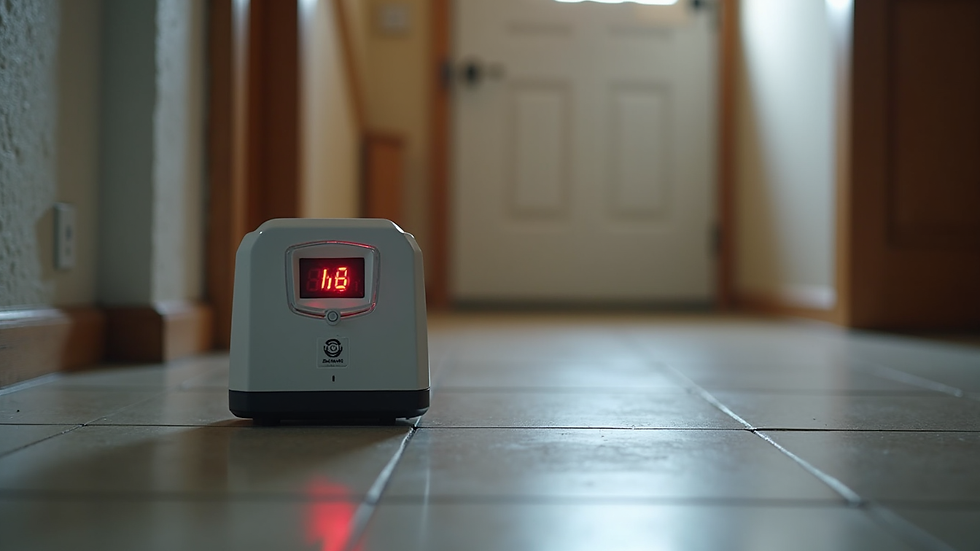
Monitoring Equipment: Sometimes included to ensure the system is working effectively.
The installation process usually takes a few hours to a day, depending on the complexity. After installation, a follow-up test confirms that radon levels have dropped to safe limits.
How much does it cost to remove radon?
When it comes to the actual numbers, the cost to remove radon typically ranges from $800 to $2,500 for most residential properties. Here’s a more detailed breakdown:
Basic Systems: For smaller homes with simple foundations, expect to pay around $800 to $1,200.
Average Homes: Most homes fall into the $1,200 to $1,800 range for a standard active soil depressurization system.
Larger or Complex Properties: Homes with larger square footage, multiple levels, or unique foundation types can see costs from $1,800 up to $2,500 or more.
Commercial buildings or multi-family units may require customized solutions, which can increase costs further.
It’s important to remember that this investment is about safety and long-term health. The cost of radon mitigation is a small price to pay compared to the potential health risks of prolonged radon exposure.
For a detailed estimate tailored to your property, you can explore radon removal cost resources provided by trusted organizations.
Tips to Manage Radon Mitigation Costs
While radon mitigation is essential, there are ways to manage and potentially reduce costs:
Get Multiple Quotes: Contact several certified radon mitigation professionals to compare prices and services.
Check for Local Assistance: Some local governments or health departments offer grants or financial aid for radon mitigation.
Combine Repairs: If you’re already planning foundation repairs or remodeling, coordinate radon mitigation to save on labor costs.
Regular Testing: Early detection can prevent the need for more extensive and expensive systems later.
DIY Testing: Use affordable radon test kits to monitor levels before committing to mitigation.
Being proactive and informed helps you make the best decisions for your home or business.

Why Investing in Radon Mitigation Makes Sense
Radon is the second leading cause of lung cancer after smoking. This fact alone makes addressing radon levels a priority for any property owner. Here’s why investing in radon mitigation is a smart choice:
Health Protection: Reducing radon levels protects you, your family, employees, and customers from harmful exposure.
Property Value: Homes with certified radon mitigation systems often have higher resale value and appeal.
Peace of Mind: Knowing your indoor air is safe brings comfort and confidence.
Compliance: Some local regulations require radon mitigation during real estate transactions or renovations.
The cost of radon mitigation is an investment in your health and property’s future. It’s a practical step that pays off in safety and security.
Moving Forward with Radon Mitigation
If you’ve discovered elevated radon levels, don’t delay. Contact a certified radon mitigation professional to assess your property and provide a detailed plan and estimate. Ask questions about the system, warranty, and maintenance to ensure you’re making the best choice.
Remember, the cost of radon mitigation is just one part of creating a safe indoor environment. Regular testing and maintenance keep your system effective over time.
Taking action now means you’re protecting your home or business from a hidden danger. It’s a decision that brings lasting benefits and peace of mind.
By understanding the cost of radon mitigation and what influences it, you’re better equipped to make smart, confident choices. Your health and safety are worth every dollar spent on effective radon removal.


Comments